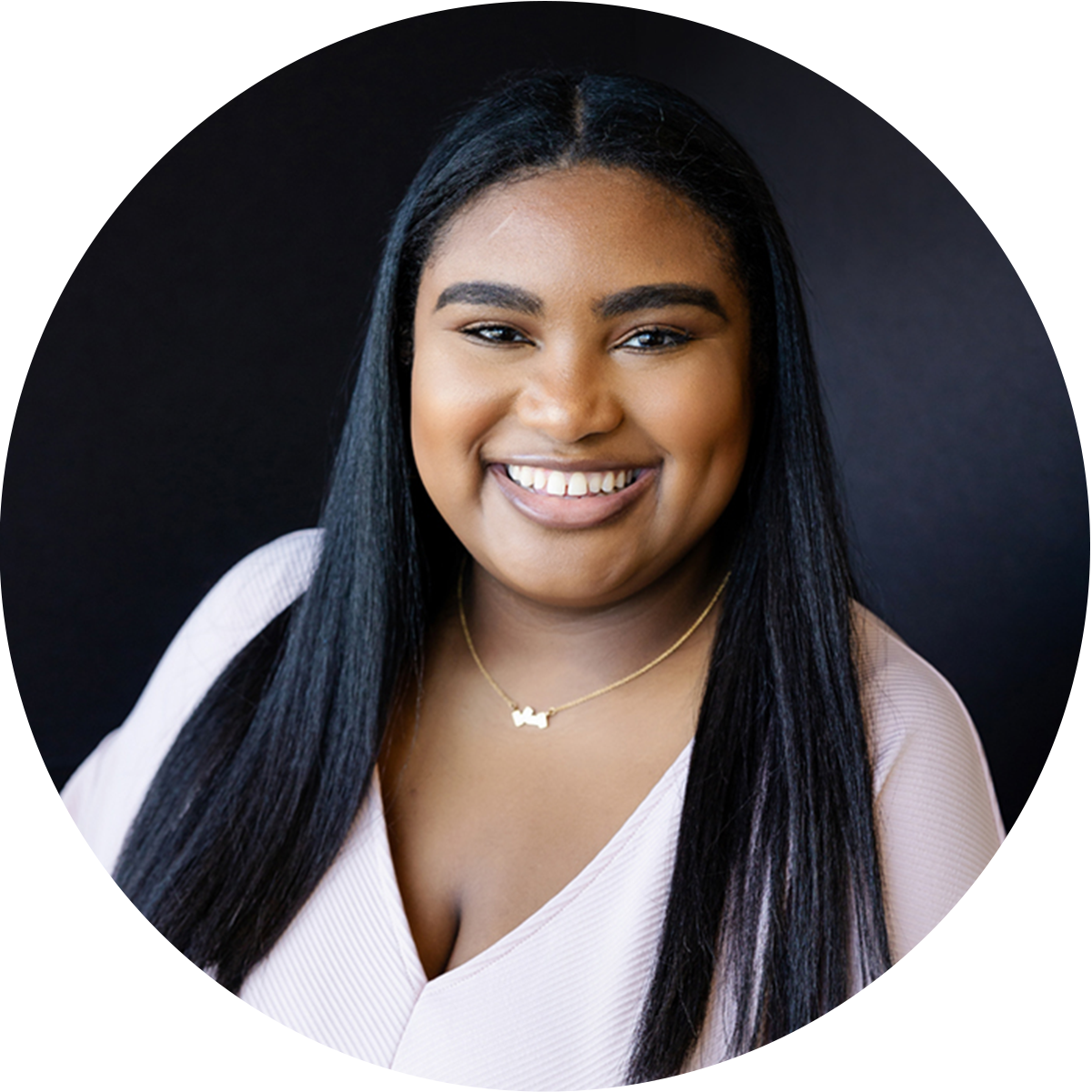






Co-written by Beth Orns and Oliver Stone
As a social worker it has always been important to me that people are treated with respect and kindness regardless of their gender or sexual orientation. When opening Better Together Mental Health it was important to me that the practice was affirming and welcoming to all. It is easy to put these words on a website or to put a rainbow on social media and believe the work is done, but as a business owner and an ally there is a LOT more to be done.
Allies are often brought up during pride month, and allyship is important. In these times, we need all the allies that we can find. But I think that we should also be clear on what an ally is. An ally is more than just someone who respects others, though, hopefully, we’re all doing that as well.
To be an ally we have to also be an advocate.
I think people often get caught up on that word. Advocate. We think of politics and changing laws, but an advocate is more than that as well. Advocates help others. They help others stand up for themselves, for their rights; they help those who need it, and that’s what being an ally really is. So here’s how we try to emphasize allyship within our work at Better Together Mental Health.
The bare minimum standard is making it clear in marketing materials that we are LGBQTIA+ affirming. A Pride Month post is definitely in the bare minimum category. Adding a photo of a same sex couple from stock art to the website is also barely a start. Here’s how we switched from the bare minimum to being an actual advocate.
We made sure the language in our documentation and on our website was inclusive. We ensured people could indicate their preferred name and pronouns so from the beginning we are respecting their identity. In order to make sure things weren’t missed I ensured that people who are part of the LGBTQIA+ community reviewed these materials and I followed through with their recommendations.
When we talk about therapy for romantic partners we have adopted the term “relationship therapy” rather than couples therapy so people in any kind of relationship can feel included. We have taken an active stance on our website and social media to show our support for the LGBTQIA+ community.
We haven’t shied away from saying what is right, even if it may make some people uncomfortable.
When planning for our new office space we wanted to ensure a comfortable space that is inclusive for all. This means a bathroom that is welcome to all people and that contains free personal hygiene products and Free Emergency Contraception/lube/condoms are available for all to take. It is not about being “gender neutral” it is about seeing and allowing all forms of gender to be expressed without assuming a “normal” that excludes part of our community.
Our team is inclusive and we have team members in different capacities who are part of the LGBTQIA+ community. As the practice’s owner I have made sure I am available to my team members to hear their concerns related to the current administration and society as a whole. I do my best to have a lot of humility when it comes to the experience of LGBTQIA+ in the world right now. To be an ally I need to really listen to them, so I can act in a supportive way. I make sure they know that I will work to keep them safe.
When we work with our photographer for team photos, we make sure that the photographer accurately represents the gender and personality of each therapist. The posture used for a headshot makes a huge difference in ensuring someone feels really seen. Also, we have incorporated different kinds of relationships in our pictures and videos. This wasn’t something we discussed or made a big deal about. It was simply that people brought their partners, and they were models for relationship therapy.
We protect the privacy and information of our clients and team members. This is why we have chosen to be private pay. No one has to know what you are discussing or exploring in therapy beyond you and your therapist. We believe that you deserve a safe place to discuss what you need and share your identity without fear of judgment or negative consequences when you’re seeking support.
We don’t bring these things up because we want recognition or praise. Rather, we think it’s important to emphasize the many different ways we can all provide support to our communities and to show that, in a time where people may feel alone, none of us are alone. We are building something together and the more we support each other the stronger we will become. That’s what has always been our mission, even leading to our name.
After all, we are Better Together.